
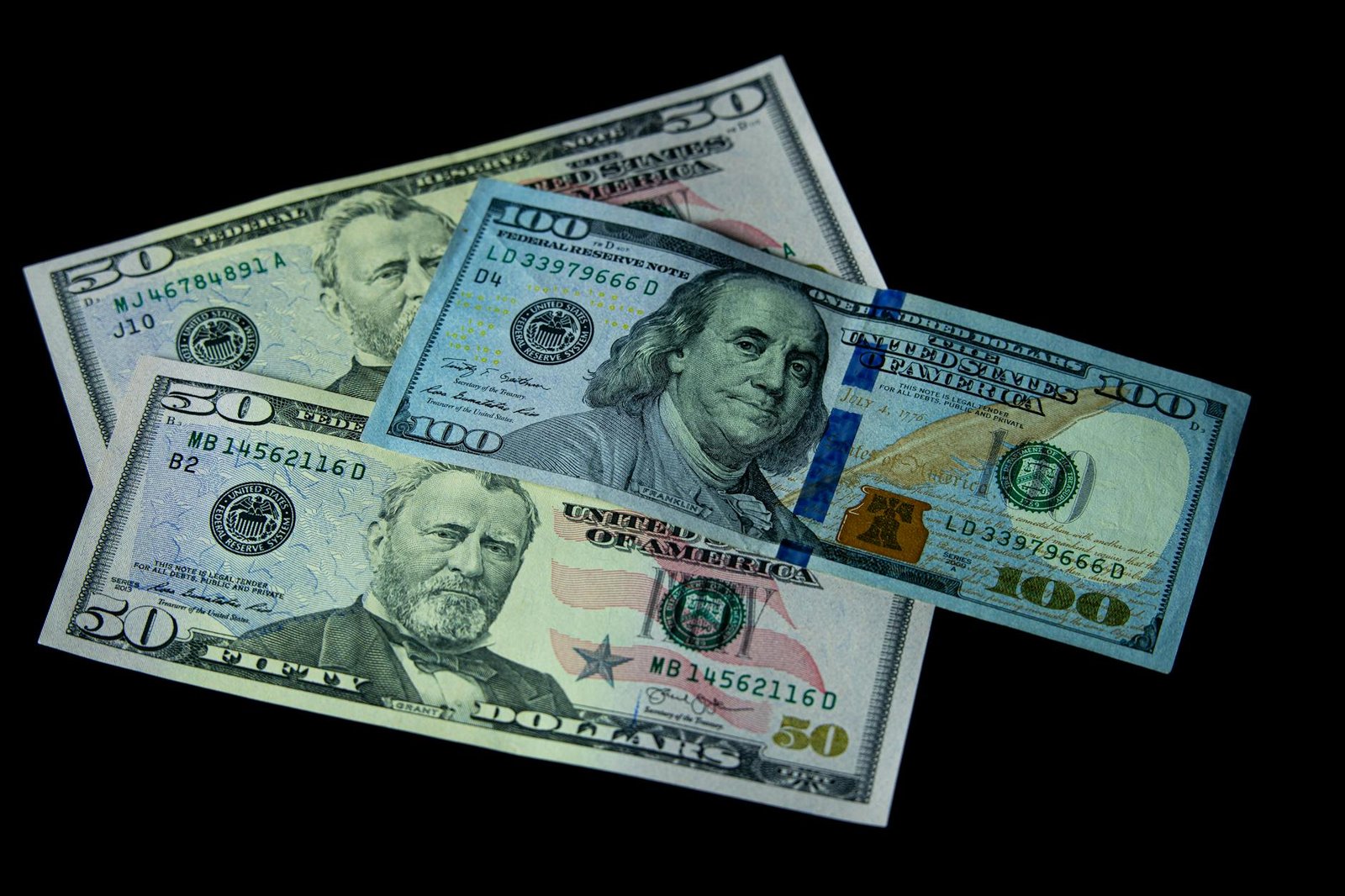
In 2008, the US Dollar Index dropped to a multi-decade low of 71. In that same window, gold roughly doubled from around $650 to $1,000 per ounce. The mirror image showed up again in 2014-2015, when the dollar surged nearly 30% and gold fell from $1,345 to $1,050. And it appeared once more during the pandemic-era policy whiplash of 2020-2022, when the dollar moved one way and gold the other every time the Federal Reserve changed course.
This isn’t a coincidence. The inverse relationship between gold and the US dollar is one of the most durable patterns in financial markets , and understanding it tells you more about how gold actually behaves than almost any other single concept. The relationship is not perfect, it isn’t constant, and it breaks down for stretches at a time. But over 20 years of data, it remains one of the most reliable guideposts in precious metals.
Why Gold and the Dollar Move in Opposite Directions
Several fundamental forces create the inverse relationship, and they reinforce one another.
Gold is priced in dollars globally. Because gold is denominated in US dollars on international markets, when the dollar weakens, it takes more dollars to buy the same ounce of gold , even if gold’s intrinsic value hasn’t changed. A stronger dollar means fewer dollars are needed, and the headline price falls.
Alternative store-of-value dynamics. Both gold and the dollar serve as stores of value and safe-haven assets. When confidence in the dollar wanes , whether due to inflation concerns, fiscal worries, or geopolitical pressure , capital rotates into gold as an alternative. The flows themselves create opposing price moves.
Inflation and purchasing power. The dollar’s purchasing power erodes during periods of high inflation. Gold, historically viewed as an inflation hedge, becomes more attractive in those conditions. The same forces that pull the dollar down tend to push gold up.
Interest rate expectations. Higher US interest rates typically strengthen the dollar by attracting foreign capital seeking yield. But higher rates also raise the opportunity cost of holding non-yielding gold. When rates fall , or markets expect them to , that dynamic reverses sharply. The Federal Reserve’s policy stance is therefore one of the most-watched variables in gold trading. (We covered this dynamic in more depth in our gold vs inflation analysis.)
The DXY Index: Measuring Dollar Strength Over Two Decades
The US Dollar Index (DXY) measures the greenback against a basket of six major currencies , the euro, Japanese yen, British pound, Canadian dollar, Swedish krona, and Swiss franc. The euro alone accounts for roughly 58% of the basket, so DXY moves often mirror the EUR/USD pair.
Over the past 20 years, the DXY has experienced significant fluctuations that map almost cleanly onto major gold moves:
2006-2008: The DXY declined from approximately 90 to 71, reaching historic lows as the Fed cut rates aggressively into the emerging financial crisis. Gold surged from around $650 to over $1,000 per ounce , a textbook demonstration of the inverse relationship.
2008-2011: Despite a brief dollar rally during the 2008 panic itself, subsequent quantitative easing programs pushed the DXY back down, bottoming near 73 in 2011. Gold responded by reaching its then-all-time high of $1,921 per ounce in September 2011.
2014-2016: As the Fed signaled the end of QE and began raising rates, the DXY surged from 80 to nearly 103. Gold fell correspondingly from $1,345 to roughly $1,050 in late 2015.
2020-2022: The COVID-19 policy response triggered unprecedented monetary stimulus, weakening the dollar and pushing gold to fresh all-time highs above $2,070 in August 2020. As inflation surged and the Fed pivoted to aggressive rate hikes in 2022, the dollar strengthened to 20-year highs near 114, while gold retreated below $1,650.
2023 onward: The Fed’s pivot toward rate normalization, combined with growing concerns about US fiscal sustainability and accelerating central bank gold buying, has seen gold establish a new cycle of record highs even during periods when the dollar has stayed firm , a sign that the traditional relationship is now being supplemented by other forces. For more on that, see our piece on how central banks are moving gold markets.
Statistical Analysis: What the Correlation Actually Looks Like
Correlation coefficients put a number on the relationship. A correlation of -1.0 indicates perfect inverse movement, 0 indicates no relationship, and +1.0 indicates perfect positive correlation.
Analysis of monthly data from 2006 onward shows a correlation coefficient between gold and the DXY of roughly -0.65 to -0.75 over rolling five-year periods. That’s a strong inverse relationship , not perfect, but very meaningful.
Several observations matter here:
The correlation strengthens during crisis periods. During the 2008 financial crisis, the 2020 pandemic, and the 2023 regional banking stress, the inverse correlation intensified, sometimes approaching -0.85. During quieter periods, it weakens as other factors take over.
Short-term deviations are common. On daily or weekly timeframes, gold and the dollar frequently move the same direction, especially during flight-to-safety episodes when investors grab both at once. These deviations typically correct over longer periods.
The relationship has strengthened over time. From 2006 to 2015 the average correlation was around -0.62. From 2016 onward it strengthened to roughly -0.74, suggesting gold’s role as a dollar alternative has become more pronounced as global de-dollarization conversations have intensified.
Worth noting: correlation does not imply causation. Dollar weakness and gold strength often occur together because both are responding to the same underlying drivers , monetary policy, inflation expectations, geopolitical risk , rather than one directly causing the other.
Beyond the Dollar: Other Factors That Move Gold
The dollar relationship is significant, but gold prices respond to several other forces that can sometimes override or complicate the inverse correlation.
Real interest rates are arguably more important than the nominal dollar alone. Real rates , nominal interest rates minus inflation , represent the true opportunity cost of holding gold. When real rates are deeply negative, gold becomes relatively more attractive regardless of dollar movements.
Central bank policies extend well beyond the Fed. Actions by the European Central Bank, Bank of Japan, and People’s Bank of China all influence global liquidity and currency dynamics that bleed into gold. The World Gold Council tracks aggregate central bank gold purchases as one of the major demand-side variables.
Geopolitical risk can drive gold higher even during periods of dollar strength. Wars, political instability, and international tensions create safe-haven demand that may overwhelm currency effects.
Physical demand from jewelry consumers, industrial users, and central banks provides a fundamental floor for gold prices. China and India alone account for roughly half of global gold consumption, and their domestic economic conditions significantly impact prices.
Investment flows through exchange-traded funds and futures markets can create short-term moves independent of dollar dynamics. Large institutional positioning shifts may temporarily decouple gold from its traditional relationships.
What This Means for Market Participants
Understanding the gold-dollar relationship provides valuable context for interpreting market movements , but it has to be considered alongside other factors.
Macro awareness is essential. Monitoring Fed policy, inflation trends, and the DXY index provides context for gold moves. Major shifts in monetary policy typically signal potential changes in the gold-dollar dynamic.
Correlation is not constant. The inverse relationship strengthens and weakens. During certain crisis episodes the correlation breaks down temporarily before reasserting itself.
Currency diversification is a key function. For investors holding most of their assets in US dollars, gold has historically provided diversification precisely because it tends to rise when the dollar falls. That characteristic is why central banks themselves hold gold as a reserve asset.
Long-term perspective matters. Short-term moves frequently deviate from the expected inverse relationship. Anyone monitoring gold benefits from focusing on longer-term trends rather than daily fluctuations.
What to Watch Next
For investors tracking the gold-dollar relationship into the rest of this cycle, a handful of specific signals deserve close attention:
- Upcoming Fed meetings , every FOMC decision and dot-plot release reshapes expectations for the dollar and gold simultaneously.
- The DXY 100 level , a key psychological and technical pivot. Sustained moves above or below tend to confirm directional regimes.
- Real yields on 10-year TIPS , when real yields fall, gold tends to rally regardless of where the dollar trades.
- Central bank gold reserve reports , quarterly data from the World Gold Council shows whether the de-dollarization trade is accelerating.
- Geopolitical flashpoints , escalations can temporarily push both the dollar and gold higher together, briefly breaking the relationship.
The 20 years of data examined here confirm that while markets are complex and no relationship holds perfectly, the gold-dollar dynamic remains one of the most reliable guideposts for understanding precious metals price movements. New factors , central bank accumulation, de-dollarization, evolving monetary frameworks , may influence how the relationship manifests in this cycle. But the fundamental forces creating it appear likely to persist.