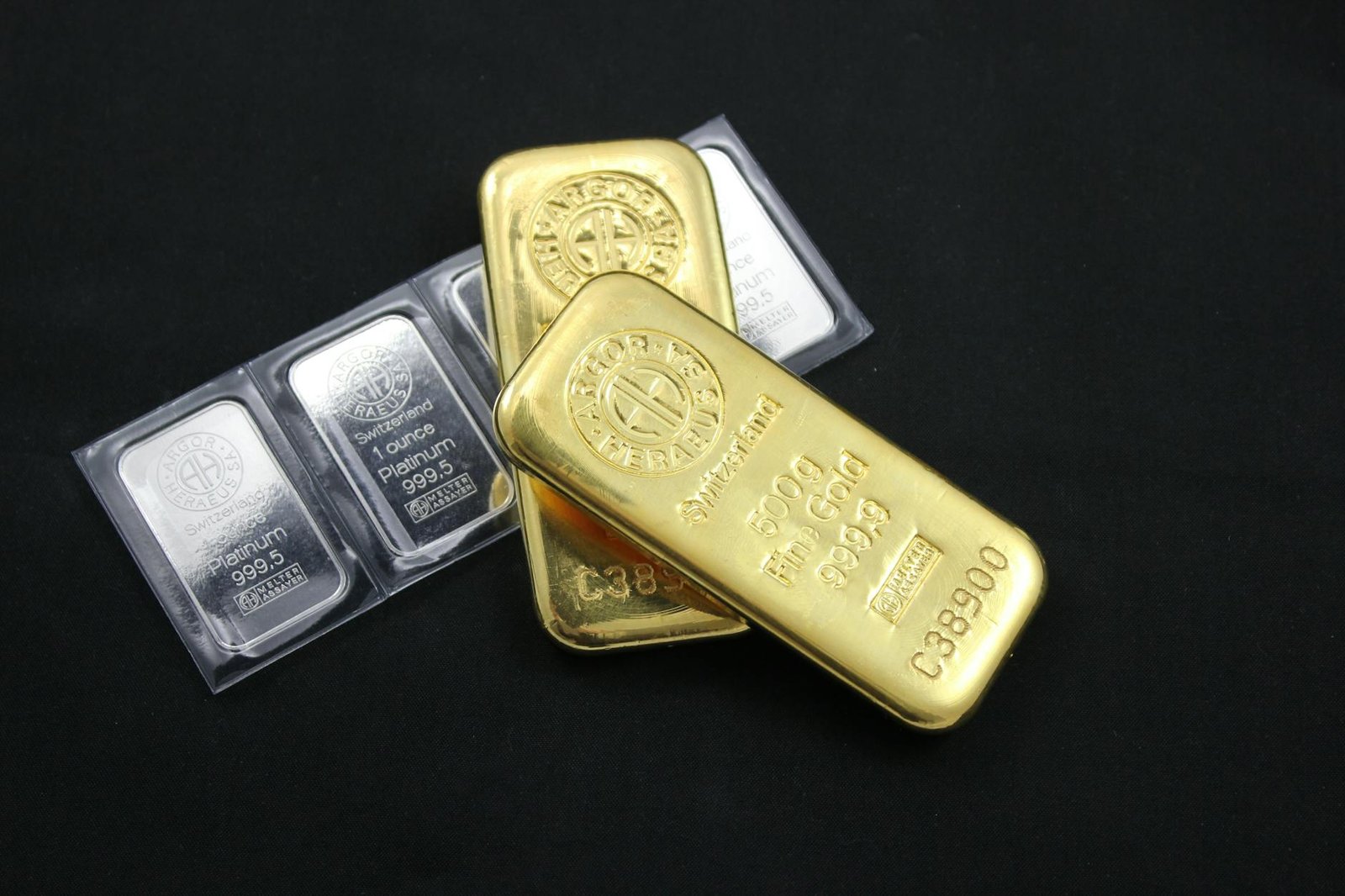
Introduction: Beyond the Gold Rush
With gold trading at an extraordinary $4,727.00 per troy ounce as of May 9, 2026, the yellow metal has captured headlines and investor attention worldwide. The remarkable surge in gold prices over the past several years has created generational wealth for early investors and solidified gold’s reputation as the ultimate safe-haven asset. However, while the spotlight remains firmly fixed on gold, two other members of the precious metals family have been quietly presenting what many analysts consider to be one of the most compelling opportunities in the commodities market today.
Platinum and palladium—collectively known as platinum group metals (PGMs)—have historically traded at premiums to gold for extended periods. Yet today, both metals trade at substantial discounts relative to their golden counterpart, creating price ratios that have few precedents in modern market history. For Canadian investors and market participants globally, understanding these overlooked metals could prove essential as we navigate an increasingly complex economic landscape.
This analysis examines the current state of the platinum and palladium markets, exploring the supply dynamics, industrial applications, and macroeconomic factors that may shape their trajectories in the months and years ahead. While gold continues its historic run, the PGM sector offers a different—and potentially equally important—story for precious metals enthusiasts to consider.
Understanding the Gold-to-Platinum Ratio: A Historical Anomaly
One of the most striking features of today’s precious metals market is the unprecedented gold-to-platinum ratio. With gold at $4,727 and platinum hovering around $1,050 per ounce, the ratio currently stands at approximately 4.5:1. To put this in perspective, for most of the 20th century and into the early 2000s, platinum consistently traded at a premium to gold, with the platinum-to-gold ratio often exceeding 2:1.
Historically, platinum’s premium was justified by its rarity—platinum is approximately 30 times rarer than gold in the Earth’s crust—and its critical industrial applications. The metal’s density, resistance to corrosion, and catalytic properties made it indispensable in automotive catalytic converters, jewelry, and various industrial processes. The current discount represents a fundamental departure from these historical norms.
Several factors have contributed to this shift. The diesel emissions scandal that began in 2015 significantly impacted platinum demand, as the metal is primarily used in diesel catalytic converters. Simultaneously, the rise of electric vehicles has raised questions about long-term automotive demand for PGMs. However, these concerns may be overstated, as we’ll explore in subsequent sections.
For Canadian market participants, this ratio holds particular significance. Canada’s mining sector has substantial exposure to precious metals, and shifts in relative valuations can impact everything from exploration budgets to provincial royalty revenues. The current pricing anomaly suggests either gold is significantly overvalued, platinum is significantly undervalued, or some combination of both—a situation that historically tends to correct over time.
Supply Constraints: The Concentration Risk Factor
Perhaps no factor is more crucial to understanding PGM markets than the extraordinary concentration of global supply. Unlike gold, which is mined across dozens of countries on every inhabited continent, platinum and palladium production is remarkably concentrated in just two nations: South Africa and Russia.
South Africa accounts for approximately 70% of global platinum production, with the Bushveld Complex representing the world’s largest known platinum reserve. Russia, primarily through Norilsk Nickel, dominates palladium production, supplying roughly 40% of global output. This concentration creates significant geopolitical and operational risks that are unique to the PGM sector.
In South Africa, the platinum mining industry faces persistent challenges. Aging infrastructure, increasing mining depths, labor disputes, and electricity supply constraints from the national grid have all contributed to declining production efficiency. The country’s Eskom utility continues to implement load-shedding programs that directly impact mining operations. These structural challenges suggest that significant supply increases are unlikely without substantial capital investment and infrastructure improvements.
The Russian supply situation adds another layer of complexity. Ongoing geopolitical tensions and sanctions regimes have created uncertainty around Russian palladium exports. While palladium has generally been exempt from the most severe sanctions due to its critical industrial applications, the situation remains fluid and represents a risk factor that markets must continuously price.
From a Canadian perspective, this supply concentration presents both challenges and opportunities. Canadian mining companies with PGM exposure, including operations in Ontario’s Sudbury Basin, may benefit from any supply disruptions elsewhere. Additionally, Canadian investors seeking precious metals diversification must consider these geopolitical factors when evaluating their portfolios.
Industrial Demand: The Hydrogen Economy Wild Card
While concerns about electric vehicles dominating the automotive landscape have weighed on PGM sentiment, a potentially transformative demand driver has emerged: the hydrogen economy. Platinum serves as the primary catalyst in proton exchange membrane (PEM) fuel cells, which are increasingly seen as essential to decarbonization efforts in heavy transport, shipping, and industrial applications.
The International Energy Agency’s latest hydrogen roadmap projects significant growth in fuel cell deployment through 2030 and beyond. Each fuel cell vehicle requires approximately 30-60 grams of platinum—substantially more than traditional catalytic converters. If hydrogen fuel cell adoption follows even moderately optimistic projections, platinum demand could see a structural increase that current prices do not reflect.
Beyond hydrogen, platinum and palladium continue to serve critical roles in existing industrial applications. The glass industry uses platinum equipment for fiber optics and LCD screen production. The chemical industry relies on platinum catalysts for nitric acid production, essential for fertilizers. Medical applications, including cancer treatment drugs like cisplatin, represent steady demand sources. Electronics manufacturing continues to require palladium for multilayer ceramic capacitors found in smartphones and other devices.
The automotive sector, despite the EV transition narrative, continues to drive substantial PGM demand. Global vehicle production remains robust, and increasingly stringent emissions standards in China, Europe, and North America require higher catalyst loadings. Even as EV penetration grows, the internal combustion engine vehicle fleet will require replacement catalytic converters for decades.
Palladium’s Unique Position: From Deficit to Surplus?
Palladium presents a somewhat different investment case than platinum. Having reached all-time highs above $3,000 per ounce in 2022, palladium has since corrected significantly and now trades around $950-1,000 per ounce. This correction reflects several factors, including successful substitution efforts by automakers and shifting market expectations.
The automotive industry has invested heavily in developing catalytic converters that can substitute platinum for palladium, providing flexibility when price ratios favor one metal over the other. This thrifting and substitution has somewhat capped palladium’s upside potential compared to its previous cycle. However, the substitution process is neither instantaneous nor complete, and palladium remains essential for gasoline vehicle emissions control.
Market analysts are divided on palladium’s near-term trajectory. Some point to emerging supply surpluses as Russian production continues and automotive demand softens. Others highlight the potential for supply disruptions and the metal’s strategic importance in maintaining emissions compliance. The palladium market’s relatively small size—global annual production is valued at roughly $10-15 billion—means that even modest shifts in supply or demand can create significant price volatility.
For Canadian investors, palladium offers exposure to both precious metals dynamics and industrial demand cycles. The metal’s correlation with gold is lower than many assume, potentially offering portfolio diversification benefits alongside its fundamental investment case.
What This Means For Investors
The current precious metals landscape presents a nuanced picture that extends well beyond gold’s headline-grabbing price. Several key observations emerge from our analysis of the platinum and palladium markets:
Valuation Disparities: The historic discount at which platinum and palladium trade relative to gold suggests potential mean reversion opportunities. While timing such reversions is notoriously difficult, the current ratios are statistical outliers that have historically corrected over multi-year periods.
Supply Vulnerabilities: The concentrated nature of PGM supply creates risks that are not present in the gold market. These supply chain vulnerabilities could result in price spikes during disruption events, but also present ongoing uncertainty that some investors may wish to avoid.
Demand Evolution: The emergence of hydrogen economy applications could fundamentally alter platinum’s demand profile over the coming decade. Investors with longer time horizons may view current prices as an opportunity to gain exposure before this potential demand surge materializes.
Portfolio Considerations: PGMs offer different risk-return characteristics than gold. Their industrial demand components mean they are more economically sensitive, potentially providing diversification benefits within a broader precious metals allocation.
Canadian investors have multiple avenues to gain PGM exposure, including physical bullion, exchange-traded products listed on the TSX, and equity investments in mining companies with PGM production. Each approach carries distinct risk profiles and tax implications that warrant careful consideration.
Conclusion
As gold commands unprecedented prices and captures global attention, platinum and palladium remain in its shadow—trading at historic discounts despite their rarity, industrial necessity, and potential role in emerging clean energy technologies. The PGM market’s concentrated supply structure, evolving demand drivers, and extreme valuation disparities relative to gold create a complex but potentially rewarding landscape for informed market participants.
The coming years will likely determine whether current PGM prices represent a generational opportunity or a new normal reflecting structural changes in the global economy. For those willing to look beyond gold’s glitter, platinum and palladium offer a compelling case study in precious metals market dynamics—and perhaps an opportunity that the broader market has yet to fully appreciate.
As always, thorough research and careful consideration of individual circumstances remain essential when evaluating any position in the precious metals space.
Disclaimer
This article is provided for informational and educational purposes only and does not constitute investment advice, financial advice, or a recommendation to buy or sell any securities or commodities. The views expressed are those of GoldMarketDaily.com analysts and are subject to change without notice. Precious metals investments carry significant risks, including price volatility and potential loss of principal. Past performance is not indicative of future results. Readers should consult with qualified financial professionals before making any investment decisions. GoldMarketDaily.com and its contributors may hold positions in securities or commodities mentioned in this analysis.
Disclaimer: This article is for informational and educational purposes only. Nothing here constitutes financial investment legal or tax advice. Always consult a qualified financial advisor before making investment decisions.