
The Premium Problem Most Buyers Miss
A first-time gold buyer walked into a coin shop in March 2025 and paid $6,800 for a single ounce of gold. The coin was authentic. It was also a 1927 Saint-Gaudens Double Eagle graded MS-65, and the buyer thought he was simply purchasing one ounce of gold at a slight markup. He wasn’t. He paid a 40% premium over the metal value for numismatic appeal he didn’t understand and couldn’t evaluate.
This mistake happens constantly. The gold market splits into two distinct categories that serve different purposes, carry different risk profiles, and attract different buyers. Confusing them costs real money.
Bullion: The Straightforward Choice
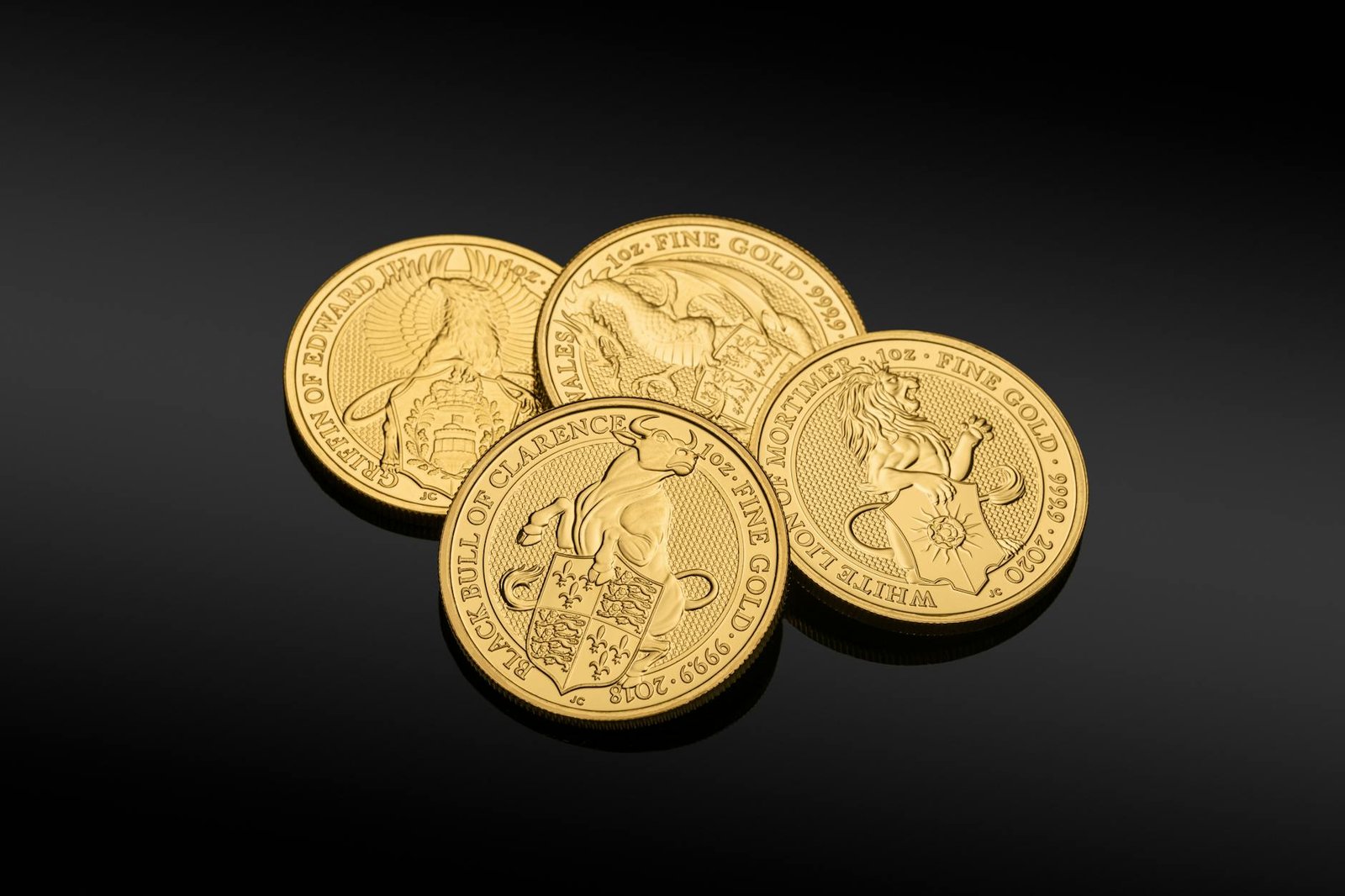
Gold bullion exists for one purpose: to hold gold as cheaply and efficiently as possible. Bullion products include bars from major refiners and government-minted coins like American Gold Eagles, Canadian Maple Leafs, and South African Krugerrands.
The math here is simple. Bullion trades based on its gold content plus a small premium covering minting, distribution, and dealer profit. That premium typically runs between 3% and 8% over the gold spot price for common one-ounce coins. Bars often carry lower premiums, sometimes under 2% for larger sizes.
The London Bullion Market Association maintains a Good Delivery List of accredited refiners whose bars meet strict purity and weight standards. Buying from these refiners means your gold will be universally accepted when you sell.
Why Premiums Matter More Than You Think
Consider two buyers who each want $50,000 in gold exposure. Buyer A purchases bullion at a 5% premium. Buyer B purchases collector coins at a 35% premium. When gold rises 20%, Buyer A sees a gain. Buyer B might break even, depending on what happens to collector demand.
The premium you pay walking in is the premium you need to recover walking out. Bullion premiums compress during selling; numismatic premiums can collapse entirely if collector interest fades.
Numismatic Coins: A Different Game Entirely
Numismatic coins derive value from rarity, condition, historical significance, and collector demand. These factors exist independently of gold content. A coin might contain half an ounce of gold but sell for ten times that metals value because only 200 examples survive from an 1850s mintage.
The grading system matters enormously here. A single grade difference between MS-64 and MS-65 can mean a 50% price swing. Third-party grading services like PCGS and NGC authenticate and grade coins, but even experts disagree on borderline specimens. This creates opportunities for dealers and risks for newcomers.
Real numismatists spend years learning market dynamics for specific coin series. They track auction results, understand population reports, and recognize when a coins price has disconnected from its collectibility. Most first-time gold buyers don’t have this expertise. They shouldn’t pretend otherwise.
The Dealer Incentive Problem
Here’s something the industry doesn’t advertise: dealers make significantly higher margins on numismatic sales. A dealer might clear 2% on a bullion transaction but 25% or more on a rare coin sale. This creates an obvious incentive to steer inexperienced buyers toward numismatics.
Watch for phrases like “confiscation-proof” or “government can’t take these” when a dealer pushes collector coins. These claims reference Executive Order 6102 from 1933, when President Roosevelt required Americans to surrender gold bullion. Numismatic coins were exempted. But using Depression-era policy to justify paying massive premiums in 2026 stretches credibility past its breaking point.
Matching Your Goals to the Right Product
Your reason for buying gold should determine what type you buy. This sounds obvious. It gets ignored constantly.
Wealth preservation and inflation hedging: Bullion wins. If you’re buying gold because you want protection against currency debasement, you need maximum gold exposure per dollar spent. Paying 30% over melt value defeats the purpose.
Portfolio diversification: Bullion wins again. Institutional investors and central banks buy bars, not graded Morgan Dollars. According to World Gold Council data, central banks added roughly 1,037 tonnes to reserves in 2023. They bought bullion because liquidity and standardization matter at scale.
Collecting as a hobby with potential appreciation: Numismatics can make sense here, but only if you enjoy the research process and accept that your coins might not appreciate with gold prices. Treat it as a hobby first, investment second.
Practical Steps for New Buyers
Start with bullion. Full stop. Even if numismatics interest you eventually, learn the basics first with straightforward products.
Government-minted coins like American Gold Eagles carry slightly higher premiums than generic rounds or bars, but they offer easy recognition and liquidity. Most dealers will buy them instantly without extensive verification.
Buy from established dealers with transparent pricing. Compare the asking price to the spot price and calculate the exact premium percentage. If a dealer won’t tell you the premium clearly, walk away.
Consider timing your purchases around seasonal patterns. Gold historically shows softer prices in certain months, though this pattern doesn’t repeat perfectly every year.
Store your gold properly. Home safes work for small holdings. Allocated storage at a reputable vault makes sense for larger positions. Bank safe deposit boxes fall somewhere in between, with the caveat that they’re not insured for contents.
Red Flags to Avoid
Any dealer who claims numismatic coins are “safer” than bullion is misleading you. Any dealer pushing hard on a specific rare coin without explaining the premium spread is prioritizing their commission. Any price that’s dramatically below market suggests counterfeit risk.
Telemarketing pitches for gold almost always involve numismatics at inflated prices. The Federal Trade Commission has issued guidance on deceptive precious metals marketing practices. Cold calls about “rare” coins that are actually common issues with grading gimmicks remain a persistent problem.
What to Watch Next
Several factors will influence the bullion versus numismatic decision over the coming months. First, monitor dealer premiums on common bullion products. When premiums spike, it signals physical demand is outpacing supply. Premiums expanded significantly during March 2020 and again in early 2022 when retail demand surged.
Second, track the major coin grading services for population report changes. When hundreds of additional examples of a supposedly rare coin suddenly appear graded, prices for that coin typically fall. This happens more often than collectors admit.
Third, watch for interest rate decisions from the Federal Reserve. Gold prices and numismatic premiums both respond to monetary policy shifts, though not always in the same direction or magnitude.
Fourth, pay attention to refinery output from major mints. The U.S. Mint periodically rations American Eagle production during demand surges. These supply constraints push bullion premiums higher but don’t affect numismatic coins the same way.
The path forward for new buyers remains clear. Learn the market with simple bullion products, understand premiums before you pay them, and leave the numismatic complexities for after you’ve built a foundation of knowledge. Your future self will thank you for the discipline.