
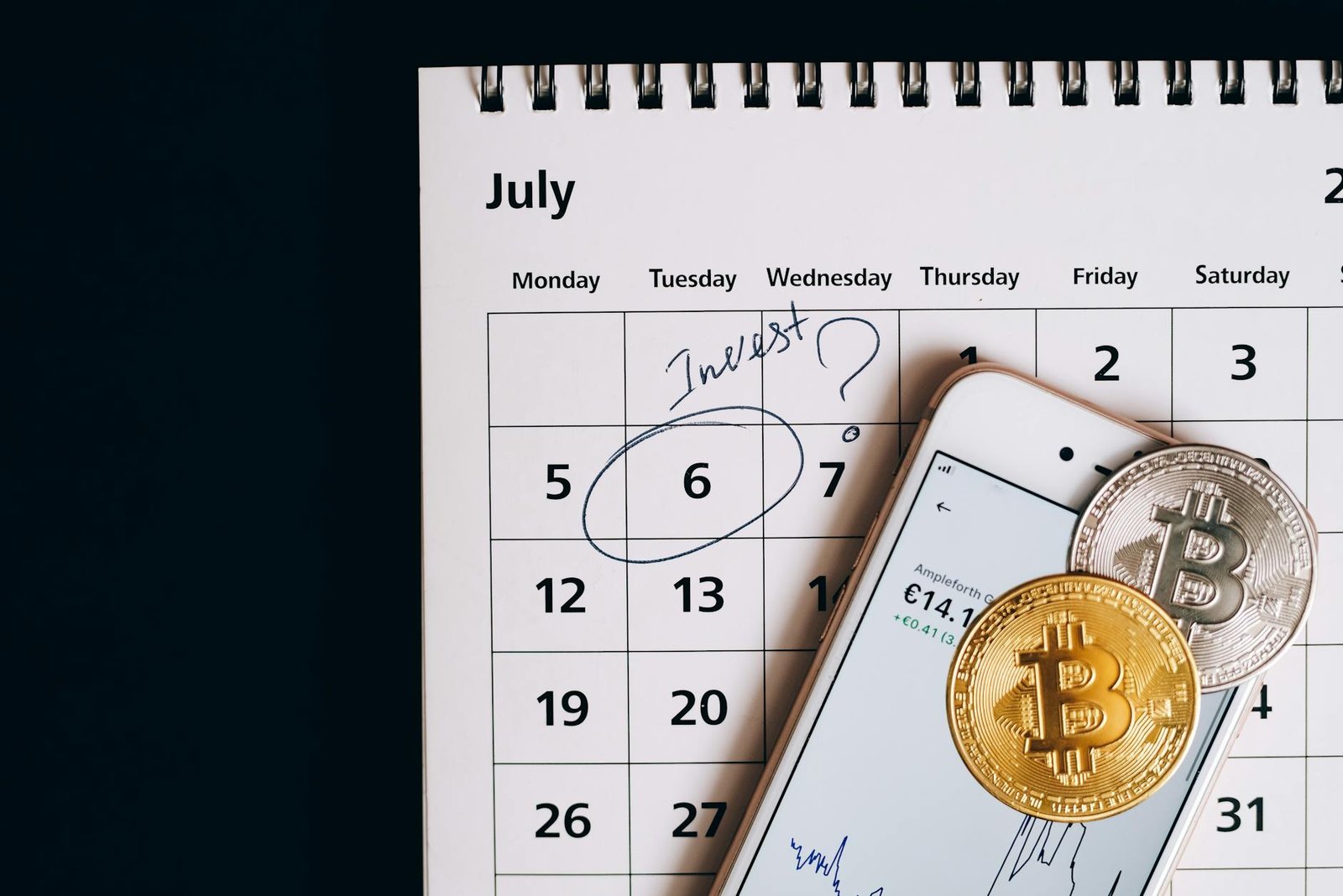
January Has Been Gold’s Best Month for Two Decades
Between 2000 and 2024, gold posted gains in January 75% of the time. The average return during that month exceeded 2%, making it the single strongest month on the calendar for the metal. That’s not a coincidence or a statistical quirk. Its a pattern driven by identifiable, repeating market forces.
Seasonality in gold prices reflects real-world buying behavior. Central banks rebalance portfolios at year-end. Asian demand surges ahead of Lunar New Year celebrations. Western investors deploy fresh capital after the holiday slowdown. These forces converge in predictable windows, creating opportunities for investors who pay attention to the calendar rather than chasing headlines.
The Annual Gold Cycle: Month by Month
Gold’s seasonal patterns have held remarkably consistent over the past quarter century. Understanding them gives you an edge most retail buyers ignore.
The Strong Months
January and February typically see buying pressure from multiple directions. Chinese New Year gold purchases drive physical demand across Asia. India’s wedding season, which runs from November through February, keeps demand elevated on the subcontinent. Fund managers reallocating after year-end reviews add institutional buying.
Gold tends to rally again in August and September. Indian jewelers stock up ahead of Diwali, which usually falls in October or November. This festival represents the peak of Indian gold consumption, and wholesale buying begins months earlier. According to World Gold Council demand data, India consistently accounts for roughly 20% to 25% of global gold jewelry demand.
The Weak Months
March through June often sees softer prices. Tax-related selling in the United States, reduced Asian demand after the festival season, and general market complacency create a window where gold drifts. For patient buyers, this mid-year lull has historically offered better entry points.
October can be volatile. The month sits between the late-summer rally and year-end buying, often creating choppy price action without clear direction.
Multi-Year Cycles Matter More Than Monthly Patterns
Seasonal patterns are useful, but they’re secondary to larger market cycles. Gold moves in multi-year trends that dwarf monthly fluctuations.
The bull market from 2001 to 2011 saw gold rise from roughly $260 per ounce to over $1,900. That decade-long move was driven by fundamental forces: dollar weakness, rising inflation expectations, the 2008 financial crisis, and aggressive monetary policy. Monthly seasonality provided entry points within that trend, but the trend itself determined whether buying made sense at all.
The bear market from 2013 to 2015 saw gold drop from $1,700 to below $1,100. Seasonal strength in January 2014 or September 2014 didn’t help investors who bought into a declining market. The fundamentals had shifted. Real interest rates were rising. The dollar was strengthening. Seasonal patterns couldn’t overcome those headwinds.
The rally that began in late 2018 and accelerated through the 2020s reflects another fundamental shift. Central banks became net buyers starting around 2010, and that buying accelerated dramatically. The World Gold Council reported central bank purchases exceeded 1,000 tonnes in both 2022 and 2023, the highest levels in decades. This institutional demand has changed the supply-demand equation.
Reading Technical Signals for Better Timing
Seasonality tells you when to look. Technical analysis tells you when to act.
Support and resistance levels identify price zones where buying or selling pressure has historically concentrated. Gold touching a well-established support level during a seasonally strong period represents a higher-probability entry than buying randomly. If you’re unfamiliar with these concepts, our guide on how to read gold charts, including support, resistance, and RSI, covers the fundamentals.
The Relative Strength Index (RSI) helps identify overbought or oversold conditions. Gold with an RSI below 30 during a seasonally strong month like January has historically offered attractive risk-reward setups. Gold with an RSI above 70 during seasonally weak periods like April has often preceded corrections.
Volume matters too. A seasonal rally confirmed by rising volume carries more conviction than a drift higher on thin trading.
Combining the Signals
The best opportunities emerge when multiple factors align. Seasonal strength, technical support, and favorable fundamentals create higher-confidence entry points. Relying on any single signal leads to inconsistent results.
Practical Strategies for Different Buyers
Your approach should match your goals and time horizon.
Long-term accumulators benefit from dollar-cost averaging with a seasonal tilt. Instead of buying equal amounts every month, concentrate purchases during historically weak periods (March through June) while reducing or pausing during historically strong periods (January, August, September). Over multiple years, this approach has historically lowered average acquisition costs.
Physical gold buyers face additional considerations. Premiums over spot price vary by product type, dealer, and market conditions. Premiums tend to spike during periods of acute demand (like March 2020 or early 2022) regardless of seasonal patterns. Building a position during calmer periods often means paying lower premiums. Once you’ve acquired physical metal, storage becomes the critical question, whether at home, in a bank safe deposit box, or through professional vault services.
Traders can use seasonality as a directional bias while relying on technical triggers for entry and exit. A long bias in August with a stop below recent support differs from buying blindly because the calendar says August.
What the Consensus Gets Wrong
Most seasonality analysis stops at monthly averages. That misses the bigger picture.
The relationship between gold and real interest rates (nominal rates minus inflation) remains the dominant price driver over any timeframe longer than a few months. Seasonal patterns work best when they align with favorable real rate conditions. They fail when fighting a rising real rate environment.
Central bank buying has also disrupted traditional seasonal patterns in recent years. When institutions are accumulating 1,000+ tonnes annually, their buying smooths out some of the traditional seasonal swings. The 2023 and 2024 patterns showed less pronounced seasonal variation than the 2010-2019 average, likely reflecting this structural demand shift.
The LBMA gold price data going back decades confirms these cycles exist, but the magnitude of seasonal moves varies substantially depending on the broader market regime.
What to Watch Next
Several catalysts in the coming months will determine whether seasonal patterns play out as expected:
- Federal Reserve policy meetings in June and July 2026 will signal the trajectory of U.S. real interest rates, the single most important variable for gold’s direction.
- Indian monsoon results through August 2026 will affect rural incomes and gold demand during the critical pre-Diwali buying season.
- Chinese central bank reserve disclosures in mid-2026 will reveal whether the Peoples Bank of China continues its accumulation pattern from recent years.
- U.S. inflation data releases, particularly the June and July CPI reports, will shape expectations for monetary policy and real rates.
- Silver industrial demand trends often signal broader precious metals sentiment. The surge in silver demand from solar, EV, and electronics sectors has implications for the entire complex.
Seasonal patterns give you an edge, but only when combined with attention to these larger forces. The calendar provides a framework. Fundamentals provide the conviction.