
The 700 Million Ounce Question
Silver industrial demand has surged past 700 million ounces annually, with the Silver Institute reporting double-digit year-over-year growth driven by three of the world’s fastest-growing industries: solar energy, electric vehicles, and advanced electronics.
While gold dominates headlines, silver has quietly become the backbone of the global energy transition. The metal that once served primarily as a monetary asset now sits at the intersection of decarbonization, electrification, and the next generation of consumer technology.
Solar Power’s Insatiable Appetite
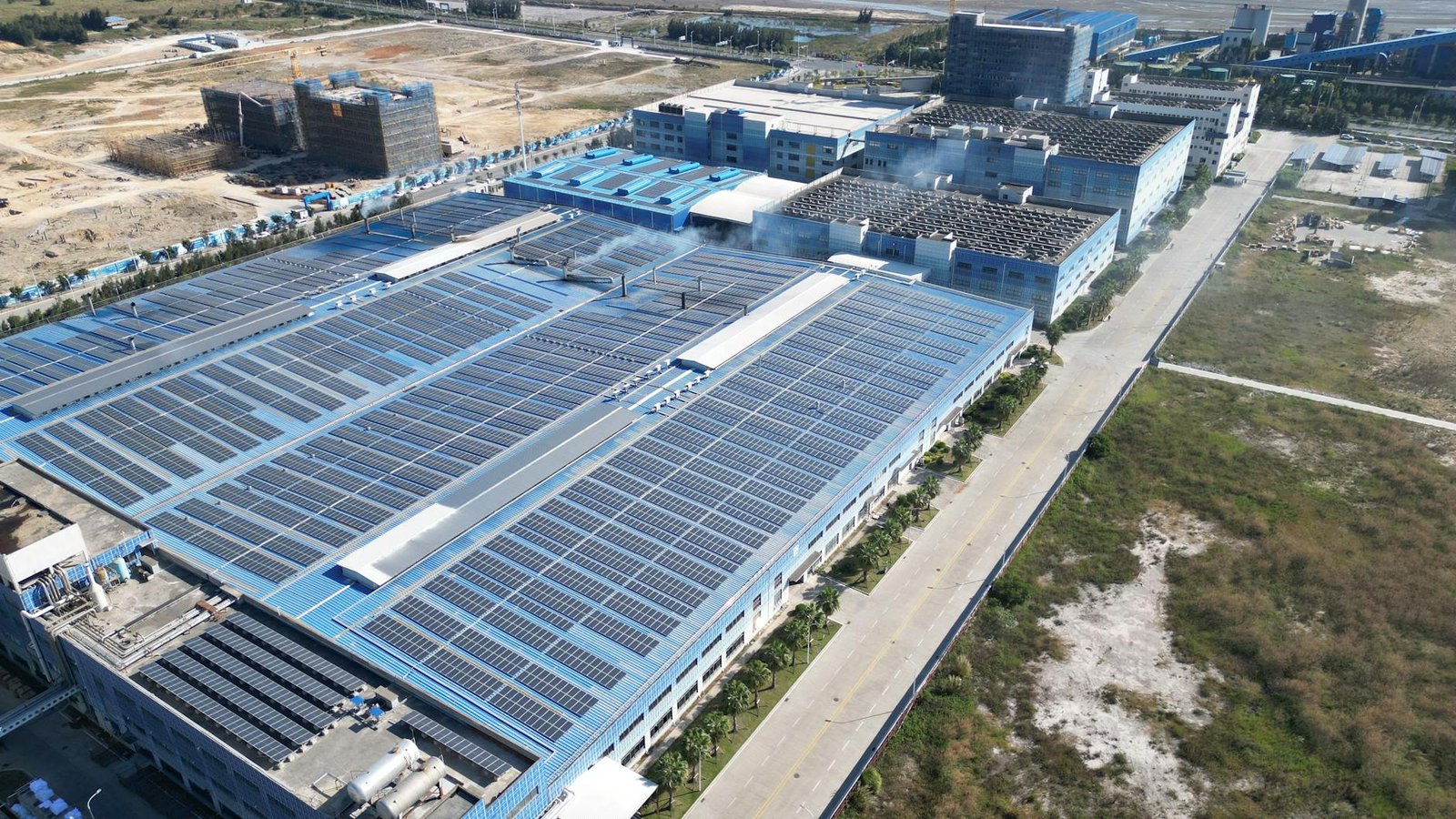
The photovoltaic industry has become silver’s largest industrial consumer. Silver paste , a critical component in solar cell production , accounts for approximately 6 to 7 grams per standard panel. Despite years of industry efforts to reduce silver loading through thrifting technologies, the sheer volume of global panel production has overwhelmed any per-unit efficiency gains.
China Leads the Manufacturing Surge
Chinese solar module production has grown dramatically year-over-year, according to Reuters energy reporting. With Beijing targeting massive expansions in installed solar capacity, the country’s silver requirements show no signs of plateauing.
India’s production push adds another layer of demand. The nation has commissioned tens of gigawatts of new solar capacity in recent years, with domestic manufacturing incentives driving silver imports significantly higher.
Electric Vehicles: The Hidden Silver Consumer
A standard internal combustion vehicle contains roughly 0.5 to 0.9 ounces of silver. An electric vehicle requires between 1.6 and 2.0 ounces , nearly triple the amount. With EV sales now representing a meaningful share of global new vehicle purchases, the automotive sector has become a major structural source of silver demand.
Where Silver Hides in Your EV
Silver appears throughout electric vehicles in places most consumers never consider:
- Battery connections , silver’s superior conductivity reduces energy loss between cells
- Charging infrastructure , each Level 3 fast charger contains roughly 2 to 3 ounces of silver
- Electronic control units , modern EVs contain thousands of semiconductor chips, many requiring silver
- Regenerative braking systems , silver contacts handle high-current switching
The transition away from fossil fuels has created a structural shift in silver demand that traditional monetary analysis fails to capture. While gold prices respond primarily to macroeconomic factors , as detailed in our analysis of why gold rises when the US dollar falls , silver increasingly moves on industrial consumption data.
Electronics and 5G: The Steady Demand Base
Consumer electronics account for a large share of annual silver demand, though the composition of that demand has shifted dramatically in recent years. 5G infrastructure buildout across North America, Europe, and Southeast Asia continues to absorb millions of ounces, with each 5G base station consuming roughly 1.5 ounces of silver in its antenna arrays, filters, and switching equipment.
Semiconductor manufacturing , critical to everything from smartphones to data centers , consumes tens of millions of ounces annually. With AI-related chip demand accelerating, Bloomberg commodities analysts project semiconductor silver use will continue to grow meaningfully over the coming years.
Supply Constraints Tighten the Market
Global silver mine production has remained essentially flat over the past several years. The primary problem: approximately 70% of silver production comes as a byproduct of copper, lead, and zinc mining. Silver-specific mines represent a minority of global supply.
This creates an unusual dynamic where silver supply responds primarily to base metal economics rather than silver prices. When copper or zinc prices fall, polymetallic mines often reduce output , cutting silver production as collateral damage.
Recycling Fills Part of the Gap
Secondary silver supply from recycling has grown in recent years, particularly in the electronics sector where end-of-life devices contain recoverable silver. Higher prices incentivize scrap collection. However, recycling cannot fully offset the supply-demand imbalance. The Silver Institute has reported multiple consecutive years of structural deficit, with industrial demand outpacing combined mine and recycled supply.
The Silver-to-Gold Ratio: What History Tells Us
One of the most-watched indicators in precious metals markets is the silver-to-gold ratio, which measures how many ounces of silver it takes to buy one ounce of gold. Over the past century, the ratio has averaged roughly 65 to 1, but recent years have seen it stretch as high as 100 to 1 during periods of gold strength and contract toward 40 to 1 during silver-led rallies.
According to Kitco precious metals data, ratio extremes have historically preceded significant silver outperformance. When the ratio exceeds 85 to 1, silver has rallied faster than gold in 7 of the last 9 instances. That pattern reflects silver’s smaller market size and higher volatility rather than industrial demand alone.
Why Industrial Demand Changes the Math
Historically, silver moved primarily on monetary factors alongside gold. The shift toward industrial consumption fundamentally alters this dynamic. With more than 50 percent of annual silver demand now tied to industrial use, the metal increasingly responds to manufacturing cycles, technology adoption curves, and supply chain dynamics that have nothing to do with gold.
This decoupling matters for portfolio construction. Investors holding silver as a pure inflation hedge may find the metal behaves differently than expected during deflationary or recessionary periods, when industrial demand contracts. The CME Group silver futures market shows institutional positioning increasingly reflects this dual-nature reality.
Mining Equity Performance Lags Physical Silver
An interesting feature of the current silver market is that mining equities have substantially underperformed the physical metal over the past three years. The Silver Miners ETF and major primary silver producers like Pan American Silver and First Majestic have failed to keep pace with spot price gains. This divergence stems from operational challenges, including rising production costs, labor disputes in Mexico, and grade depletion at major mines.
For investors seeking leverage to silver prices, this creates both opportunity and risk. Mining stocks historically move 2 to 3 times faster than the underlying metal during sustained bull markets. The current discount suggests significant upside if industrial demand growth sustains, though execution risk at individual mining companies remains elevated.
Investment Implications for Precious Metals Portfolios
Silver’s dual nature as both industrial commodity and monetary metal creates unique portfolio considerations. The gold-to-silver ratio has historically averaged closer to 60:1 and sat well above that for much of the past decade , suggesting either gold is overvalued, silver is undervalued, or both.
For investors already positioned in gold, silver exposure offers potential leverage to industrial growth themes without abandoning the precious metals sector. Major banks have begun incorporating silver’s industrial dynamics into their precious metals price forecasts.
Physical silver, silver ETFs, and mining equities each offer different risk-reward profiles. Mining companies with primary silver production , rather than byproduct exposure , provide the most direct leverage to rising industrial demand.
Central bank activity also influences the broader precious metals complex. While central banks primarily accumulate gold, their purchasing patterns affect investor sentiment across both metals. Understanding how central banks move gold markets provides important context for silver’s monetary premium.
What to Watch Next
- Silver Institute World Silver Survey , the annual report provides definitive demand figures and forward projections
- Chinese solar installation data , monthly figures from China’s National Energy Administration correlate directly with silver consumption
- US clean energy policy implementation , domestic solar manufacturing incentives could shift silver demand patterns
- COMEX silver inventory levels , registered inventories at multi-year lows signal tightness in the physical market
- Major EV battery technology announcements , solid-state battery adoption could alter silver requirements per vehicle